Technical SEO in 2026 is shifting toward machine trust. That means cleaner code, better content architecture, faster interaction, and structured proof that helps AI systems confirm what your business is about. The websites that win won’t just be discoverable. They’ll be easy to verify.
That article explained why “technical SEO” is no longer about pleasing Googlebot; it’s about building infrastructure that machines can trust. This piece breaks that big idea into 30 practical inversions, the old dogmas we’re leaving behind, and what replaces them in an AI-native, citation-driven web.
I’ve grouped them by layers of digital maturity, utility, structure, and authority to show how the fundamentals evolve as your site grows from technically functional to machine-trusted.
Getting the basics right at the “Utility” layer
Cleaning up legacy noise and “DOM Slop”.
Still using Dublin Core: AI crawlers prioritise Schema.org, and what’s in it <head> might soon act more like a content architecture record. Remove redundant metadata and “DOM slop”, adding unnecessary code weight.
Redundant Social OG Tags: Firing unique Open Graph and Twitter image tags when the metadata and images are identical is unnecessary code weight for AI crawlers.
Default Image File Names: Using IMG_1234.jpg instead of descriptive, keyword-validated file names misses a machine-readable context signal.
Valueless AI Alt Text: Using generic AI-generated alt text that doesn’t add specific descriptive value or authority proof for a machine.
Breadcrumb Placement: Treating breadcrumbs as a visual UI element at the top of the HTML instead of prioritising the H1 and TLDR in the source code.
“PageSpeed” Obsession: chasing 100/100 scores in Lighthouse while ignoring INP (Interaction to Next Paint) and actual responsiveness for crawlers.
Global CSS Bloat: Loading entire CSS libraries for components that aren’t even used on the specific page, creating a technical wall that slows down ingestion and confuses AI crawlers.
Reading Time Fluff: Placing “5 min read” indicators in the primary “Ingestion Zone” (first 100 words) instead of strategic authority hooks.
Date-Stamp Drift: Showing “Published Date” without a “Last Modified” timestamp, which signals to AI that the content is static and unmaintained.
Fragmented Tracking: Loading separate scripts for every marketing pixel instead of a unified intelligence layer like the SCOS Analytics module.
Middle Group Tech SEO – The “Structural” Layer
Managing how machines interpret relationships and navigation.
Messy Archive Indexing: Failing to index archive pages or setting canonicals incorrectly on paginated archives, which scatters crawl signals for topic clusters.
The “Static Sitemap” Trap: Relying on a monthly XML sitemap instead of real-time IndexNow-style pings that reflect actual content velocity.
Ignoring LLM.txt: Not providing a dedicated directive file to tell AI crawlers exactly which pages represent your “Expert” maturity.
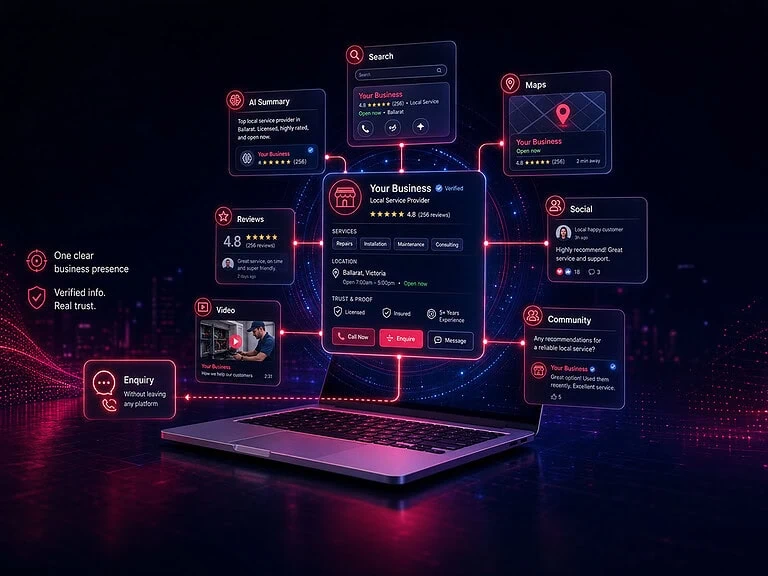
Unstructured Proof: Using “Reviews” as flat text instead of Anchor 1 (Trust & Proof) structured data that connects results to specific project entities.
Context-Blind Redirects: Using catch-all redirects that don’t pass semantic relevance to the new URL, leading to “ingestion chaos”.
Generic Schema Types: Using the basic “WebPage” schema when you could be using specific CAR (Content Architecture Record) definitions like “HowTo” or “FAQPage”.
Shallow Internal Linking: Linking randomly instead of using an internal linking architecture that shows the hierarchy from supporting to pillar content.
JavaScript Hydration Delay: Relying on heavy client-side rendering that prevents AI search tools from “reading” your primary content in under 200 ms.
Broken “Offer Framing”: Organising service pages as a product catalogue instead of outcome-based service pathways that AI can categorise easily.
Manual UTM Management: Using inconsistent social tracking instead of an automated Social Amplification Loop that standardises signals.
Level up to Expert- The “Authority” Layer
Establishing undeniable machine trust.
DOM Order vs. Visual Order: Serving menus and nav bars first in the HTML code instead of forcing the H1 and TLDR to the top for “semantic speed”.
The “Traffic-First” Fallacy: Optimising for search volume while ignoring citation share, the metric of how often AI cites you as the source.
Absence of CAM (Content Authority Map): Letting AI tools “drift” because you lack a site-wide brain to keep them calibrated with your current strategic state.
Weak “Maturity Progression”: Publishing many “entry”-level posts instead of vertical depth that reaches expert or industry authority status.
Ignoring Voice Gaps: Producing “Commodity Content” identical to competitors instead of technical content that fills a specific market voice gap.
Non-Machine-Readable Strategy: Keeping your content intent “implicit” instead of making it “explicit” via a CAR JSON blob in the postmeta.
Missing “Proof Markers”: Using adjectives (e.g., “fast”) instead of verifiable data points (e.g., “80% AI voice share”) that AI citation engines prioritise.
Generic Author By-lines: Lacking professional credentials or background expertise in the machine-readable author schema.
Poor “Technical Inversion”: Solving problems with more plugins instead of clean modular architecture where “disabled = not loaded”.
Reactive SEO: Waiting for “rankings” to appear instead of building AI-native infrastructure that forces AI confirmation from day one.
Technical SEO in 2026 isn’t about perfect scores; it’s about proof and perfect clarity. Every inversion here shifts focus from optimising for discovery to optimising for confirmation. When AI knows exactly who you are, what you’ve proven, and how you deliver, it has no choice but to cite you. Read the full in depth article next.
Occasional emails from Vanessa at Brighter Websites about AI, SEO, Website Marketing for regional service businesses.
See what we have done
More Articles
Discover more expert insights to the latest Web Design and SEO trends, these curated blog posts are designed to broaden your horizons and spark your imagination.